
The draft Portuguese State Budget for 2027 was submitted to Parliament on 8 October 2026, as confirmed by the Government. It still has to be debated and voted on. For teams managing credit cases, the useful question is: what could change in the client’s finances, and when?
Submitting the draft does not lower mortgage payments or guarantee approval of a credit application. Before applying a measure, check the final text, its effective date and whether it covers that client.
What could change for credit?
If measures affecting a family’s disposable income or expenses are approved, they could change how much money is left to repay a loan. That is a possible effect on the household budget; it does not mean the bank will automatically approve credit.
Banco de Portugal explains that the bank assesses the ability to repay, taking income, regular expenses and other loans into account. It must not rely on future income increases in that assessment. Even a positive assessment does not oblige the bank to grant the loan.
For a new application, the team should therefore use current, documented income and expenses. A possible benefit announced in the draft should only be included when it applies to the client and the change is confirmed.
What about clients who already have a mortgage?
Payments continue to follow the terms of the contract. With a variable-rate loan, the rate is the reference rate, usually Euribor, plus the spread, the bank’s margin specified in the contract. The rate is reviewed at the intervals specified in the contract, as explained by the Bank Customer Portal.
A change in income or expenses may leave more or less room to cover the payment. That is different from a change in the payment itself: submitting the 2027 Budget does not, by itself, change the agreed interest rate.
How to follow the case with the client
These are practical organisational recommendations, without creating new obligations for intermediaries:
- Explain what has been confirmed. Distinguish a measure still being proposed from a rule already applicable.
- Update the case when a change actually occurs. Review income, expenses and documents supporting the change, rather than assuming benefits still under discussion.
- Compare mortgage terms. Use the European Standardised Information Sheet (FINE in Portugal), which sets out each offer’s terms and costs. Banco de Portugal explains how the FINE helps with this comparison.
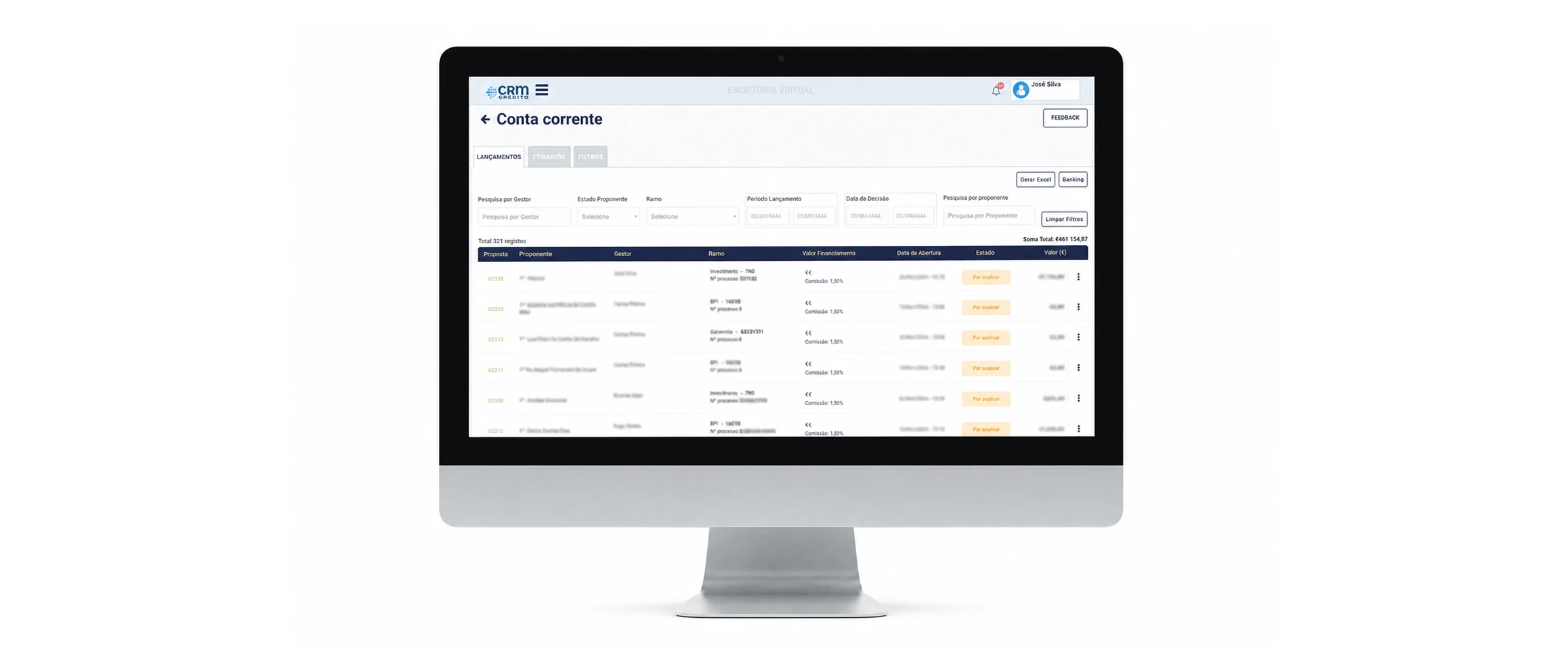
In CRM Crédito, case notes and next actions help record the client’s question, the source consulted and what still needs confirmation.
When will the outcome be known?
The Assembleia da República has scheduled the debate and vote on the proposal as a whole for 27 and 28 October 2026, with the final vote on the full bill planned for 24 November 2026. These are the dates published at the time of this article and may be updated.
Until there is a final text and an effective date, a proposal should not be presented as guaranteed savings or a new condition for access to credit.
Official sources
- Portuguese Government: submission of the draft 2027 State Budget.
- Assembleia da República: submission and parliamentary timetable for the 2027 Budget.
- Banco de Portugal: assessment of the ability to repay credit.
- Banco de Portugal: mortgage interest rates.
- Banco de Portugal: taking out a mortgage and comparing offers using the FINE.
Ready to get started?
See CRM Crédito in action
Schedule a free demo and discover how the CRM can transform your business.